3 Jun 2026
Tracing the Development of Interactive Live Sessions and Jackpot Features in Mobile-First Casino Platforms
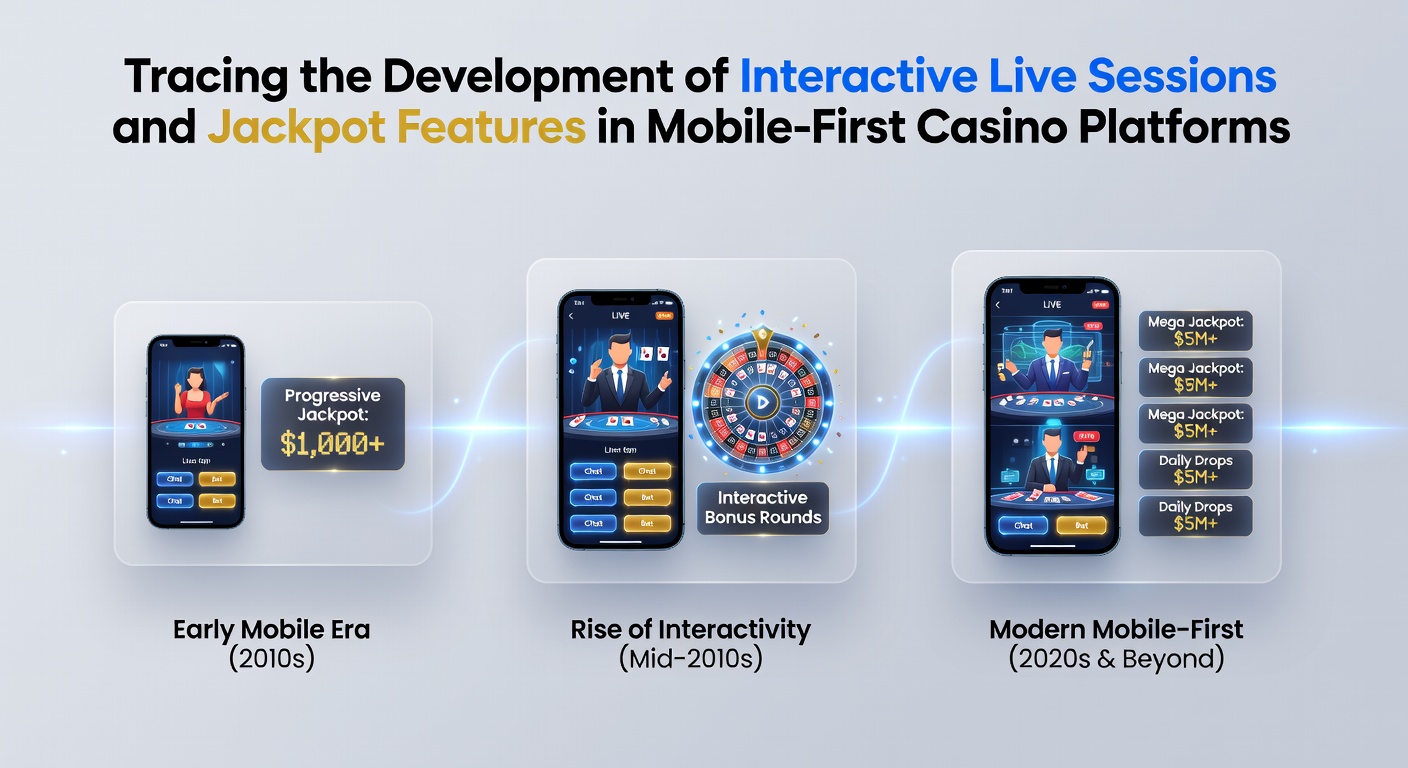
Mobile-first casino platforms emerged in the early 2010s as smartphone adoption accelerated, and developers shifted focus from desktop sites to apps optimized for touchscreens and smaller displays. These platforms combined streaming video technology with real-time user input, which allowed players to participate in live dealer games while accessing jackpot pools directly from portable devices. Data from regulatory filings shows that initial live session experiments relied on basic video feeds, yet by 2015 several operators introduced multi-camera setups that let users switch angles during blackjack and roulette rounds.
Foundations of Interactive Live Sessions
Interactive live sessions developed through iterative improvements in latency reduction and mobile bandwidth, and observers note that early adopters in markets such as New Jersey and Ontario tested hybrid formats where players placed bets via app interfaces while watching dealers on video streams. Researchers at academic institutions documented how HTML5 frameworks replaced Flash, which enabled smoother performance on iOS and Android devices without external plugins. By 2018, platforms integrated chat functions and gesture-based controls, allowing participants to signal actions like splitting pairs or adjusting stakes without leaving the session window.
Further advancements arrived when 5G networks expanded coverage, and studies indicate that reduced ping times supported higher frame rates during peak hours. Operators began offering shared tables across regions, which connected users from different time zones into single sessions. Those who analyzed engagement metrics found that mobile sessions lasting under ten minutes increased retention when combined with quick-deposit options, and the pattern continued into subsequent years.
Evolution of Jackpot Features on Mobile
Jackpot features migrated to mobile platforms through progressive systems that pooled contributions across thousands of concurrent users, and figures from industry reports reveal that mobile-specific pools grew faster than desktop counterparts after 2016. Developers added daily and hourly drops triggered by random number generators calibrated for smaller bet sizes typical on phones, which maintained accessibility while scaling prize amounts. Integration with live sessions occurred when operators linked jackpot eligibility to real-time participation, so players in a live poker room could qualify for a separate progressive meter displayed alongside the video feed.
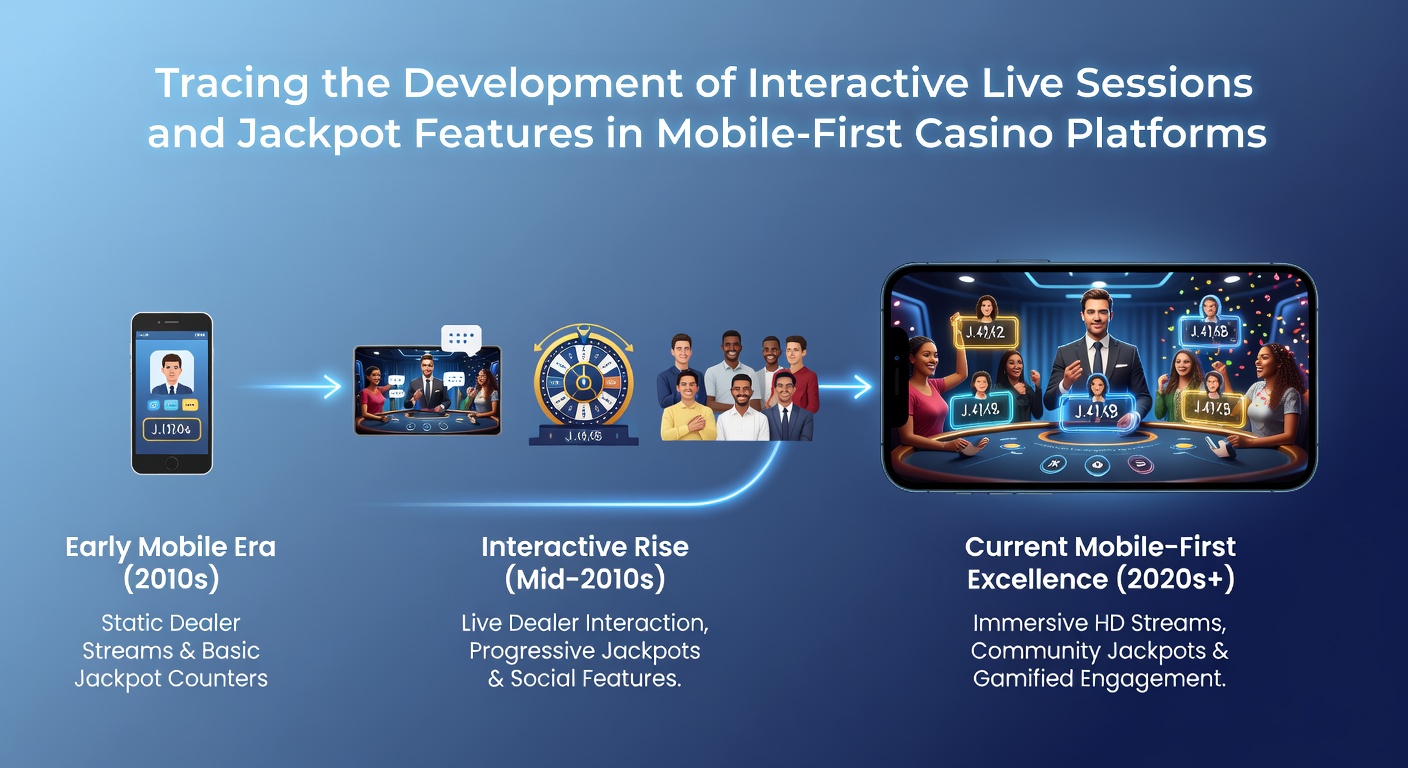
According to data compiled by the New Jersey Division of Gaming Enforcement, mobile jackpot activations accounted for over forty percent of total progressive payouts in the state by 2022, and similar trends appeared in reports from Singapore's Casino Regulatory Authority. Engineers refined notification systems to push alerts about impending drops without disrupting ongoing live play, and this approach reduced player drop-off rates during long sessions. Additional layers such as community jackpots, where multiple players contribute toward shared goals, became standard in apps that synchronized across live tables and standalone slots.
Convergence and Platform Maturation by 2026
Convergence between interactive live sessions and jackpot mechanics accelerated after 2023 when cross-platform APIs allowed seamless transitions between live tables and jackpot-enabled side games. In June 2026, several operators deployed updated mobile frameworks that embedded jackpot meters directly into live dealer interfaces, enabling participants to monitor accumulating prizes while placing bets on the main game. Observers tracking usage patterns noted that these unified views correlated with extended session durations across both iOS and Android ecosystems.
Regulatory updates in multiple jurisdictions required transparent display of jackpot probabilities within mobile apps, and compliance drove the adoption of standardized visualization tools that updated in real time during live streams. Research published by the Australian Gambling Research Centre examined how these features influenced participation rates, finding measurable increases in mobile engagement following interface refinements. Developers also introduced tiered jackpot structures that rewarded frequent live session participants with higher entry levels, creating layered incentive systems within single platforms.
Conclusion
The trajectory of mobile-first casino platforms demonstrates steady integration of interactive live sessions with dynamic jackpot systems, driven by technological gains in connectivity and interface design. Records through June 2026 illustrate continued refinement rather than abrupt shifts, as operators refine synchronization between live participation and prize accumulation. These developments rest on documented infrastructure improvements and regulatory reporting, which together outline the current state of mobile casino functionality.