22 Jun 2026
Tracing Intersecting Algorithms That Align Bonus Rotations With Multiplayer Table Dynamics Across Regional Digital Platforms
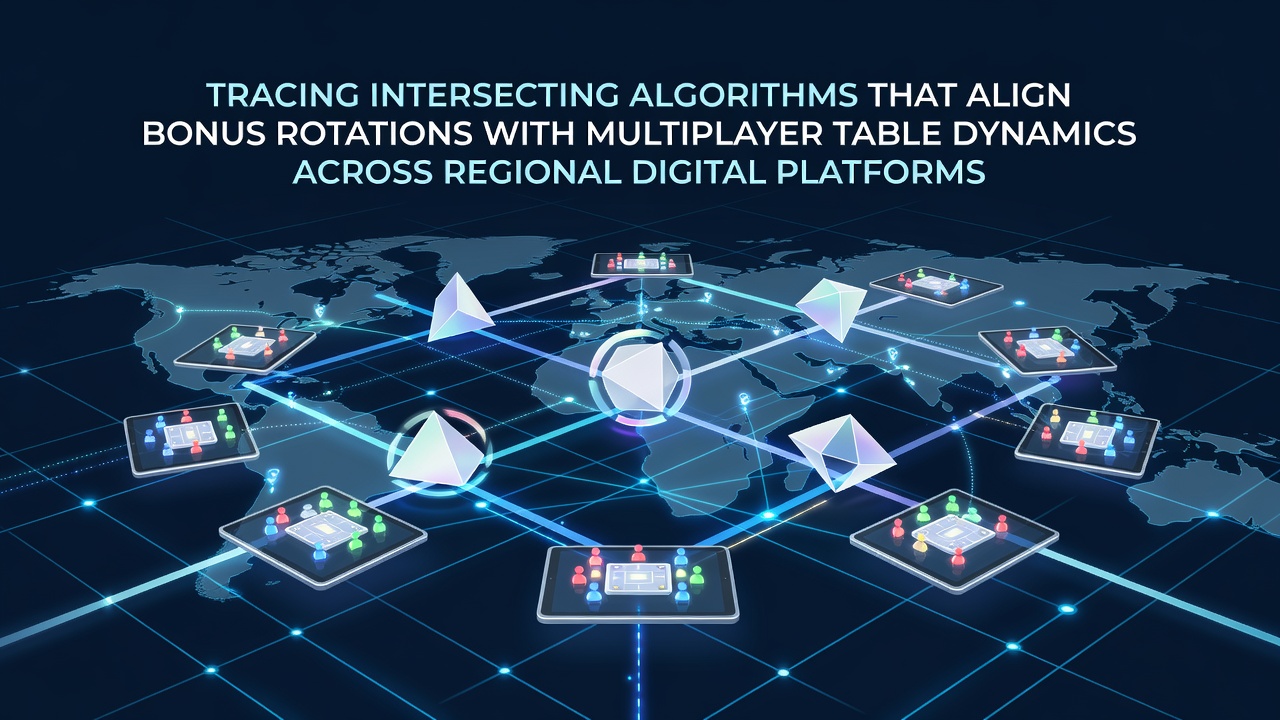
Developers trace intersecting algorithms that coordinate bonus rotations with live table interactions across digital platforms, and these systems operate through layered code structures that respond to player counts, regional rules, and session timing. Research indicates the core mechanism involves synchronization layers that pull data from both random number generators and real-time player graphs, while separate modules handle incentive timing so rewards appear at moments that fit group play patterns rather than isolated spins.
Core Components of the Alignment Process
One layer processes bonus eligibility through rotation schedules that cycle at fixed intervals calibrated to average session lengths observed in each market, and another layer monitors table dynamics such as seat occupancy rates plus bet velocity to adjust when those bonuses activate. Data shows the intersection occurs when both layers feed a decision engine that calculates whether a bonus trigger would enhance or disrupt ongoing multiplayer sequences, and this engine runs checks every few milliseconds during active rounds. Observers note that platforms in North America often embed compliance checks from state regulators directly into this engine, whereas European systems integrate similar checks from national licensing bodies that enforce uniform payout reporting.
Take one implementation where developers link a bonus rotation clock to a multiplayer state machine; the clock advances independently but pauses or shifts when the state machine detects a table reaching critical mass of participants. Figures reveal this prevents bonuses from landing during high-stakes decision windows, which keeps the flow intact while still delivering scheduled rewards within the same overall session window.
Regional Platform Differences in Algorithm Deployment
Platforms serving different regions adjust the weighting given to each algorithm component based on local player behavior datasets, and North American operators typically emphasize rapid table refills after each round whereas Asian markets favor extended session continuity that stretches bonus intervals. According to reports compiled by iGaming Ontario, Canadian platforms record higher engagement when bonus triggers align with peak table occupancy periods tracked through anonymized session logs. In contrast, data from the Australian Communications and Media Authority highlights that operators there calibrate rotations around stricter session time caps, which forces the intersection logic to prioritize shorter cycles that still respect multiplayer pacing.
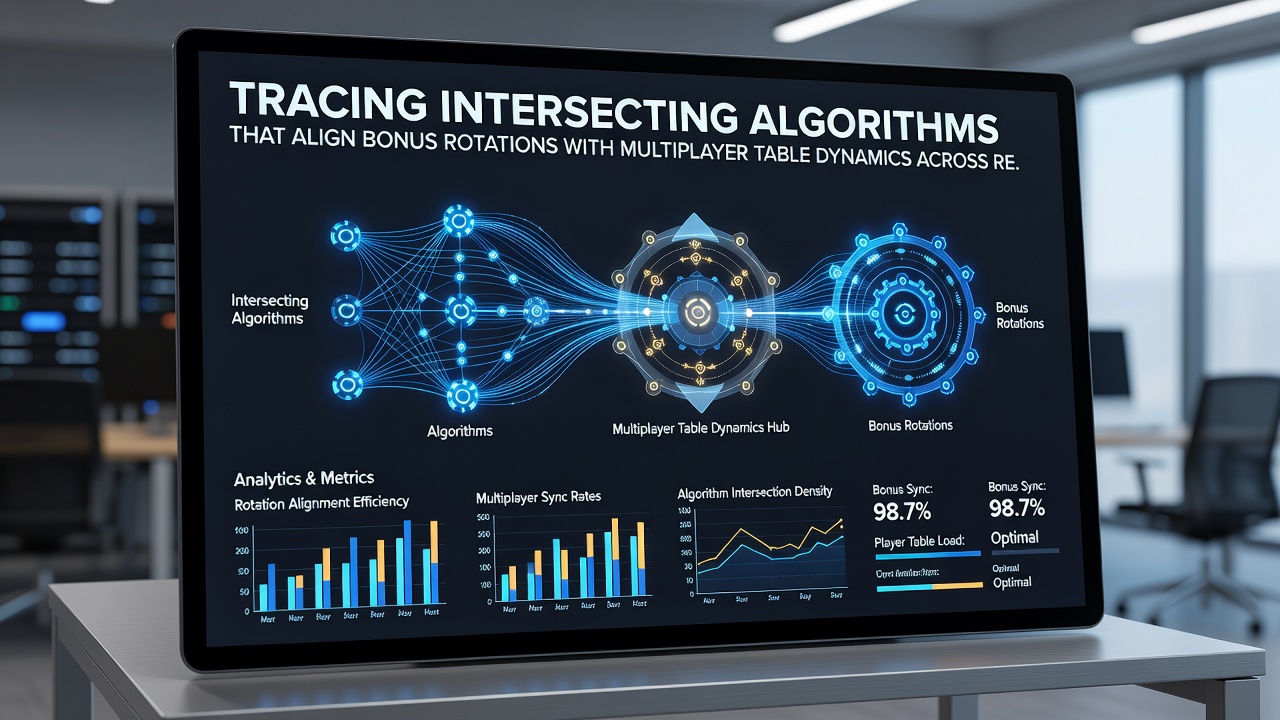
By June 2026 several platforms completed updates that introduced dynamic weighting, allowing the same base code to shift emphasis between occupancy metrics and regulatory time limits depending on the user's detected region. Those updates rely on geofencing flags that load different parameter sets without altering the underlying intersection logic, and testing logs indicate the changes reduced desync events between bonus displays and active table states by measurable margins.
Technical Integration Points Across Networks
Integration happens at API endpoints that exchange table state vectors with bonus ledger entries, and these endpoints carry hashed identifiers that prevent cross-region data leakage while still permitting the alignment engine to function. Experts have observed that latency under 50 milliseconds remains critical because delays can cause a bonus to fire after a player has already left a table, breaking the intended dynamic match. Code reviews published in gaming technology journals describe the use of event-driven architectures where table state changes publish messages that the bonus module subscribes to, creating the intersection without constant polling.
One documented case involved a platform that combined progressive accumulation counters with real-time seat availability flags; the combined output fed directly into the rotation scheduler so bonuses appeared only when enough seats remained open to sustain the multiplayer element. This approach spread across multiple operators after initial deployment showed stable performance under varying loads.
Future Adjustments and Maintenance Patterns
Maintenance teams run periodic audits that replay historical session data through the intersection engine to verify continued alignment under updated regulatory parameters, and these audits occur on quarterly cycles in most jurisdictions. The process identifies drift where bonus timing gradually decouples from table dynamics due to changes in player patterns or new rule sets, and corrective patches adjust weighting coefficients without requiring full redeployment. Industry reports from the European Gaming and Betting Association note that such maintenance keeps cross-platform consistency high even as individual regions introduce incremental policy changes.
Conclusion
Tracing these intersecting algorithms reveals a system built on synchronized data flows, regional parameter sets, and event-driven triggers that keep bonus rotations matched to multiplayer table activity. Continued refinement through audits and targeted updates supports consistent performance as platforms expand into additional markets and adopt new technical standards.