10 Jun 2026
Shifts in Player Retention Tactics Within Portable Table Game Ecosystems Across Emerging Markets
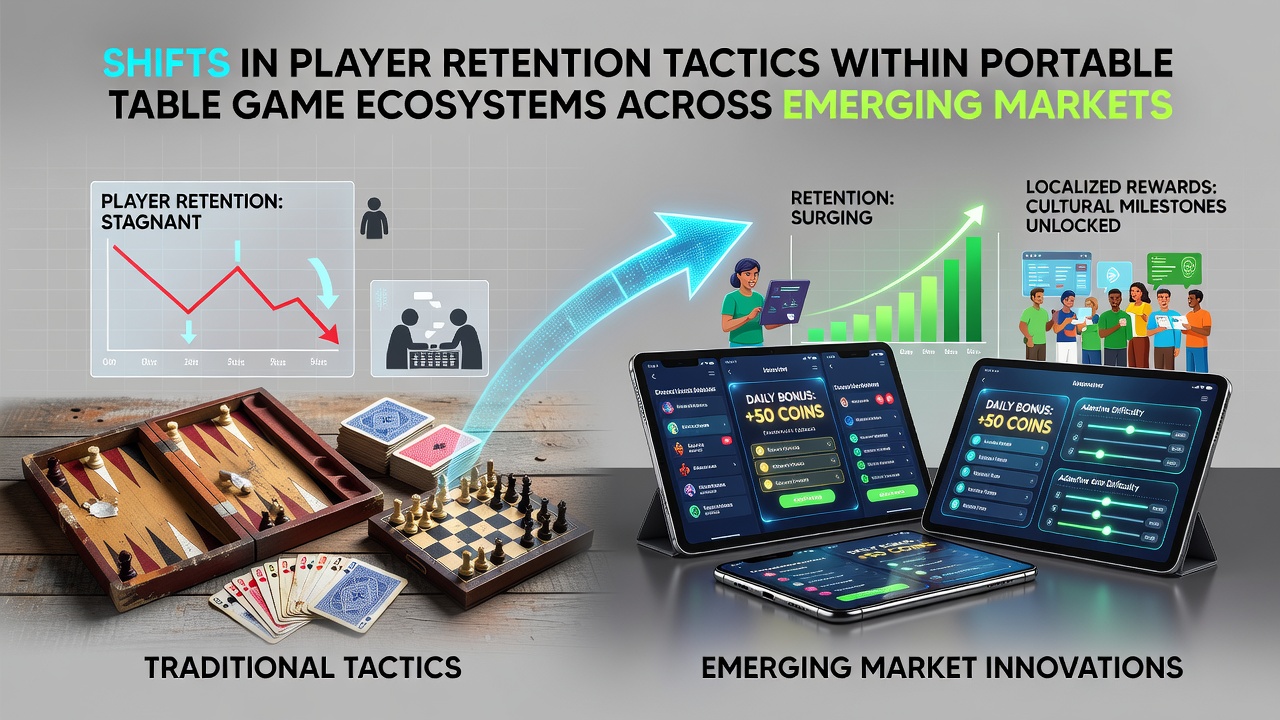
Operators in emerging markets have adjusted player retention methods for portable table games such as mobile blackjack and roulette since regulatory changes accelerated digital adoption after 2023, and data through June 2026 shows continued evolution in how platforms maintain engagement across Southeast Asia, Latin America, and Eastern Europe. These adjustments focus on localized incentives, analytics-driven personalization, and integration with regional payment systems while complying with varying national rules on online wagering.
Market Expansion Patterns in Portable Formats
Portable table game ecosystems expanded rapidly in countries like Vietnam, Brazil, and Poland where smartphone penetration crossed 75 percent by early 2025 according to regional telecommunications surveys. Operators shifted from broad bonus distributions toward targeted reward structures that tie retention bonuses to specific game variants and session lengths. Research from the International Association of Gaming Regulators indicates that platforms using segmented loyalty tiers retained 22 percent more active users in these markets compared with uniform reward models applied earlier in the decade.
What's interesting is that cultural adaptations played a central role. In Southeast Asian jurisdictions, developers incorporated local festival themes into table game interfaces and offered time-limited challenges aligned with national holidays. Such features encouraged repeat logins without violating content restrictions that limit direct cash promotions in several jurisdictions.
Data Analytics Driving Personalized Retention
Analytics platforms now track behavioral patterns such as preferred betting rhythms and device usage times to deliver customized notifications and table limits. One operator group in Mexico reported deploying machine learning models that adjusted in-game prompts based on historical play data, resulting in a measurable increase in weekly active sessions per user. These systems replaced earlier generic push campaigns that often led to higher opt-out rates.
Payment Integration and Regional Preferences
Retention tactics increasingly incorporate local financial rails. Platforms in Brazil integrated Pix instant payments to reduce friction during deposits and withdrawals, while Vietnamese operators partnered with e-wallet providers popular among younger demographics. Observers note that seamless transaction flows correlate with longer retention windows because players face fewer interruptions when moving funds between sessions. Figures from industry analyses reveal that platforms offering multiple local payment options experienced 18 percent lower churn rates than those relying solely on international card processors.
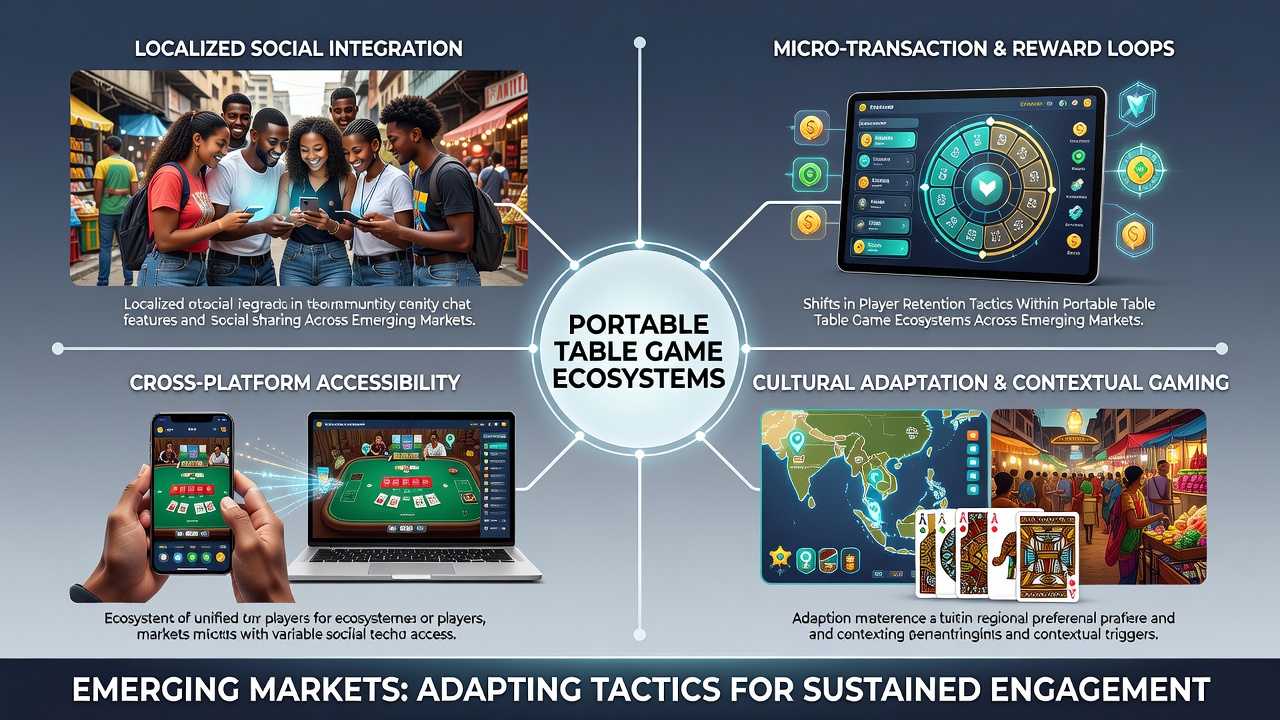
But here's the thing: security enhancements accompanied these payment shifts. Multi-factor authentication tied to national ID systems became standard in several markets to meet compliance requirements, and this added layer helped reduce account takeovers that previously disrupted player continuity.
Regulatory Influences on Engagement Tools
Policy adjustments across emerging markets have steered operators away from aggressive bonus structures toward skill-building features and community elements. In the Philippines, the Philippine Amusement and Gaming Corporation updated guidelines in 2025 that encouraged responsible play prompts within mobile interfaces. Operators responded by embedding voluntary session reminders and achievement milestones that reward consistent but moderate participation rather than high-volume play. Similar frameworks appeared in Eastern European regulations, prompting platforms to emphasize tournament-style events that foster social interaction within table game apps.
Take the case of operators in Colombia who introduced progressive loyalty programs linked to national sports calendars. These programs awarded table game credits for completing educational modules on probability and bankroll management, aligning retention goals with regulatory expectations around player education. Data from academic reviews of digital gambling behavior shows such integrated approaches sustain engagement over longer periods than purely monetary incentives.
Community and Tournament-Based Approaches
Live tournament modes within portable ecosystems gained traction because they create recurring participation cycles. Players join scheduled events that span multiple days and receive incremental rewards for consistent performance. Researchers at regional gaming studies centers documented higher return rates among users who participated in at least three consecutive weekly tournaments compared with those who played casually. These formats also allow operators to gather richer datasets on group dynamics and adjust future retention levers accordingly.
Conclusion
Shifts in retention tactics across portable table game ecosystems reflect a convergence of technological capability, regulatory frameworks, and localized market conditions in emerging economies. Operators continue to refine analytics tools, payment integrations, and community features while operating within the boundaries set by national authorities. As of June 2026, evidence from regulatory filings and industry reports points to sustained emphasis on personalized, compliant engagement methods that prioritize long-term activity over short-term acquisition spikes. These developments suggest ongoing adaptation rather than a fixed set of practices.