31 Jul 2026
How Regulatory Adjustments Are Reshaping Incentive Pathways in Portable Accumulative Prize Systems for Interactive Table Variants

Regulatory bodies across several jurisdictions have introduced adjustments that directly influence how accumulative prize pools operate within mobile platforms offering interactive table variants, and these modifications require operators to revise distribution mechanisms while maintaining compliance with updated licensing conditions. Data from multiple oversight agencies shows that changes effective in July 2026 have prompted revisions to contribution rates from player wagers into progressive funds, particularly for variants such as blackjack and roulette delivered through handheld devices.
Current Framework for Accumulative Prize Systems
Portable accumulative prize systems integrate real-time contributions from wagers placed on interactive table formats into centralized pools that grow until triggered by specific outcomes, and operators must now align these systems with new transparency requirements that mandate clearer disclosure of contribution percentages and eligibility criteria. Researchers tracking these platforms note that mobile applications handling live dealer interactions have seen increased scrutiny on how prize pathways connect to player retention tools, which in turn affects the timing and structure of bonus allocations tied to progressive elements.
Regulatory Shifts Across Key Markets
Authorities in Ontario through the Alcohol and Gaming Commission of Ontario have updated guidelines that cap certain incentive multipliers linked to accumulative rewards in digital table environments, while similar measures from the New Jersey Division of Gaming Enforcement focus on audit trails for prize fund movements. These rules extend to handheld formats where accumulative prizes must follow predefined allocation sequences that prevent rapid depletion of pools through concentrated mobile play sessions, and figures released in mid-2026 indicate operators have adjusted software parameters accordingly.
Effects on Incentive Design and Player Access
Adjustments have led developers to restructure loyalty pathways so that rewards earned through portable table variants feed into accumulative systems under stricter contribution caps, and this reconfiguration ensures that bonus credits convert at rates documented in regulatory filings rather than through operator-defined algorithms alone. One study released by the University of Nevada Reno Gaming Research Center examined how such caps alter player engagement patterns with mobile progressive features, revealing shifts in average session lengths and wager distributions across tested jurisdictions.
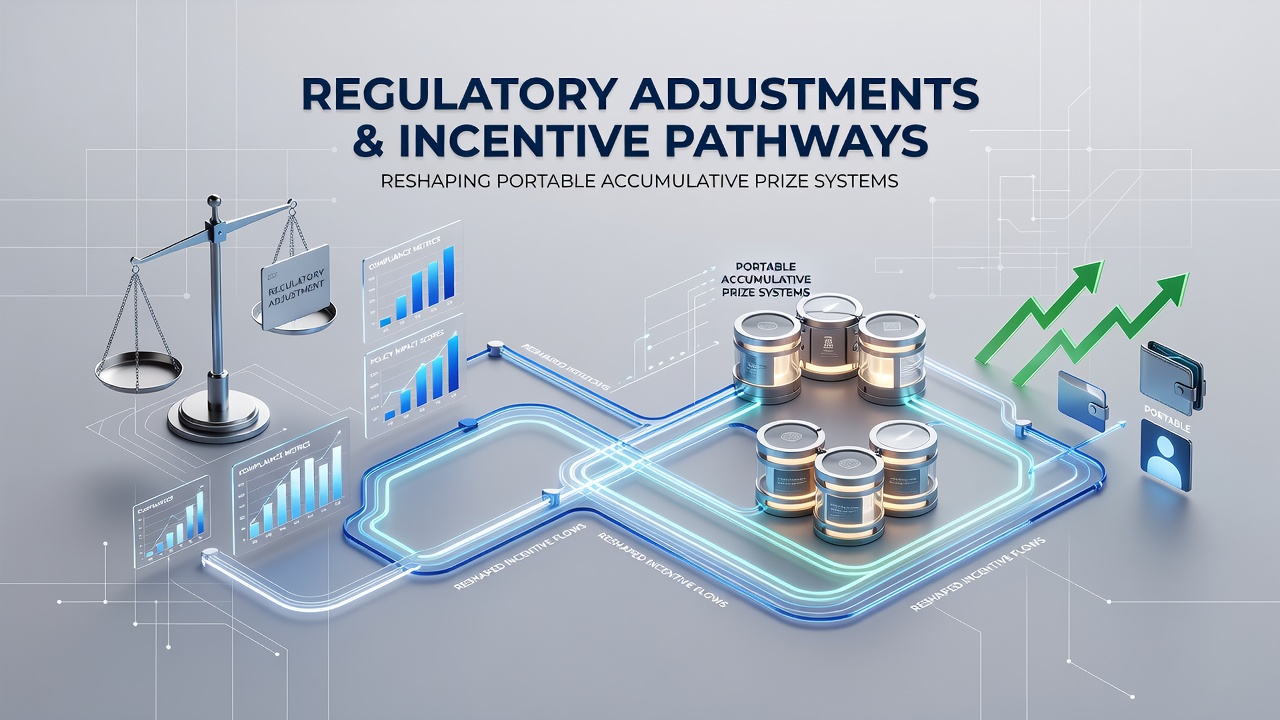
Operators have responded by introducing tiered incentive structures that separate standard table game bonuses from accumulative prize contributions, and this separation allows clearer tracking of funds flowing into portable jackpot systems. Data compiled by the Australian Communications and Media Authority highlights that similar regulatory patterns in that region have produced measurable changes in how handheld applications display real-time prize growth to users during live sessions.
Technical Adaptations by Platform Providers
Software providers serving interactive table variants on portable devices have implemented modular code updates that recalibrate contribution percentages in line with jurisdiction-specific mandates, and these modifications integrate directly with backend systems that monitor compliance across multiple regulatory zones simultaneously. Observers note that such adaptations include enhanced logging functions capable of exporting prize pathway data for periodic reviews, which helps operators demonstrate adherence during licensing renewals scheduled later in 2026.
Regional Variations in Implementation
Markets in parts of Europe have emphasized consumer protection elements within accumulative prize rules by requiring minimum reserve thresholds before mobile table variants can draw from central pools, whereas North American frameworks place greater weight on tax allocation formulas tied to progressive payouts. These differences create distinct operational environments for developers managing cross-border handheld gaming applications, and compliance teams now routinely map incentive flows against each region's documentation standards.
Conclusion
Regulatory adjustments continue to drive modifications in how accumulative prize systems function within portable environments for interactive table variants, with operators and developers aligning technical and incentive structures to meet evolving requirements. Figures from oversight bodies indicate sustained activity around compliance updates through the remainder of 2026, and ongoing monitoring by industry researchers will track resulting patterns in prize distribution and player participation across affected platforms.