8 Jun 2026
How Policy Tweaks in Select Markets Are Reshaping Access Patterns to Variant Table Formats on Handheld Platforms
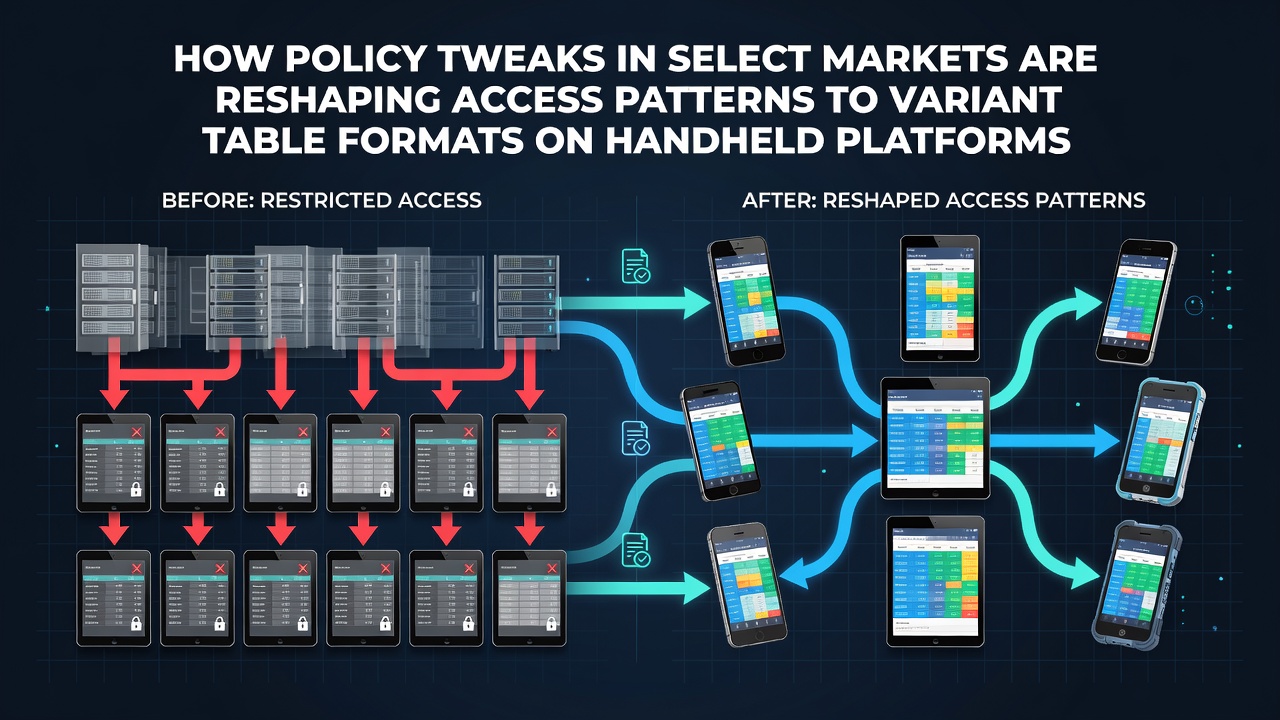
Policy adjustments across several jurisdictions have begun altering how players reach different variants of table games through mobile applications, with changes in licensing rules and device verification requirements driving shifts in availability since early 2025. Data from regulatory filings shows that markets implementing updated compliance standards for handheld platforms now restrict certain multi-hand and live-dealer formats unless operators meet new geo-location and software certification criteria, which in turn affects user access patterns on smartphones and tablets.
Updates in North American Jurisdictions
Michigan Gaming Control Board records indicate that revised mobile licensing protocols effective March 2026 require operators to segment table game variants based on real-time device authentication, leading to reduced availability of speed blackjack and multi-wheel roulette options for users on older handheld models. Those adjustments followed earlier pilot programs where authorities tested enhanced encryption mandates, and figures reveal that compliant platforms expanded access to RNG-driven variants while limiting live sessions on non-certified devices. Observers note that similar measures rolled out in Ontario through the Alcohol and Gaming Commission of Ontario have produced comparable segmentation, with operators reporting higher compliance costs that influence which table formats reach handheld users in the province.
Across these regions, the regulatory focus on portable device standards has prompted operators to prioritize certain variants over others, and studies from the University of Nevada, Las Vegas gaming research division document how these tweaks correlate with changes in session durations on smartphones. When policies emphasize stricter age and location verification, access to themed table variants often narrows on handheld platforms, whereas broader RNG formats remain widely available through streamlined approval pathways.
European and Asia-Pacific Adjustments
In the Netherlands, the Kansspelautoriteit introduced device-specific reporting requirements in late 2025 that affect how operators deliver variant table formats to mobile users, resulting in expanded options for certain automated roulette styles but tighter controls on live-dealer blackjack streams. Australian research compiled by the Australian Gambling Research Centre shows parallel developments where state-level policy refinements have encouraged platforms to adjust access to multi-player table variants on tablets, particularly when operators seek renewal of their remote gambling licenses. These modifications align with broader efforts to standardize software across handheld ecosystems, and data indicates that markets enforcing such rules experience measurable redistribution of player engagement toward formats that meet the updated technical thresholds.

Policy evolution in these areas continues into June 2026, when several jurisdictions plan to finalize additional certification layers for handheld applications. Regulators in multiple markets have coordinated with industry groups to outline frameworks that balance consumer protection with operational flexibility, and reports suggest that the resulting access patterns favor variants designed for lower bandwidth environments on portable devices. One analysis of licensing data demonstrates that operators adapting quickly to these requirements maintain broader variant libraries for mobile users, while slower adopters face temporary restrictions on live and hybrid table formats.
Operational Responses and Market Data
Industry filings submitted to various gaming authorities highlight how operators have reconfigured their handheld offerings in response to these regulatory signals, often consolidating access to popular variants behind updated verification steps. Research published through the International Center for Gaming Regulation at the University of Nevada tracks corresponding shifts in download patterns, noting that users on certified devices encounter fewer interruptions when switching between table game formats. The reality is that these policy tweaks create layered approval processes that directly influence which variants appear prominently in mobile app interfaces across select markets.
Additional documentation from Canadian provincial regulators and European oversight bodies confirms that ongoing refinements target software interoperability on handheld platforms, producing measurable differences in how quickly new table variants reach end users. When combined with existing geo-fencing protocols, the changes reshape daily access patterns without altering overall market availability of core game types.
Conclusion
Collective evidence from regulatory submissions and academic tracking shows that targeted policy modifications in selected markets continue to guide how variant table formats distribute across handheld platforms. As June 2026 approaches and further compliance deadlines take effect, the documented patterns indicate sustained segmentation based on device certification and regional licensing standards. Those monitoring these developments can reference primary sources from bodies such as the Michigan Gaming Control Board and the Australian Gambling Research Centre to follow ongoing adjustments.