24 Jun 2026
Developments in Algorithmic Fairness for Bonus Feature Activations in Slot Simulations on Smartphones

Slot simulations on smartphones rely on complex algorithms to determine when bonus features activate, and recent work has focused on ensuring those triggers remain statistically consistent across different devices and user sessions. Developers have refined random number generation methods while adding layers of oversight that track activation rates in real time, particularly as mobile platforms expanded their market share through June 2026.
Core Components of Fairness Protocols
Algorithmic fairness in this context centers on maintaining uniform probability distributions for bonus events regardless of hardware variations or network conditions, and several frameworks now incorporate continuous monitoring tools that flag deviations before they affect gameplay. These systems combine traditional pseudorandom generators with machine learning models trained on large datasets of historical spins, allowing operators to adjust parameters when patterns suggest unintended clustering of bonus triggers.
One approach involves embedding fairness constraints directly into the activation logic so that bonus features cannot fire more frequently on specific operating systems or screen sizes, and testing protocols have grown more rigorous as a result. Data from regulatory submissions in multiple jurisdictions shows that simulation audits conducted between January and June 2026 identified fewer than 0.3 percent of mobile titles requiring post-launch corrections for activation bias.
Regulatory and Technical Milestones Through Mid-2026
Authorities in Nevada and New Jersey have updated their testing standards to require explicit documentation of bonus activation algorithms for all smartphone-distributed games, which has pushed studios to adopt open-source auditing libraries that third-party labs can review independently. Similar requirements have appeared in Australian state guidelines, where regulators now request quarterly fairness reports that break down bonus trigger rates by device category and geographic region.
Research teams at institutions including the University of Nevada, Las Vegas have published findings on bias detection methods that analyze activation sequences across millions of simulated plays, revealing that certain neural network architectures reduce variance in bonus timing by up to 18 percent compared with earlier rule-based systems. Those studies also note that smartphone-specific factors such as battery optimization modes and background app restrictions can influence perceived fairness when they interrupt random seed generation, prompting developers to add redundant entropy sources drawn from multiple sensors.
Implementation Examples Across Platforms
Take the case of one major studio that integrated adaptive fairness scoring into its flagship mobile slot title in early 2026; the system recalibrates bonus probability weights whenever device telemetry indicates unusual clustering, and subsequent player data showed activation rates remained within a 1.2 percent tolerance band across iOS and Android builds. Another example comes from a European developer that collaborated with an academic group to apply differential privacy techniques, ensuring individual session data does not skew the overall bonus distribution model while still allowing real-time adjustments.
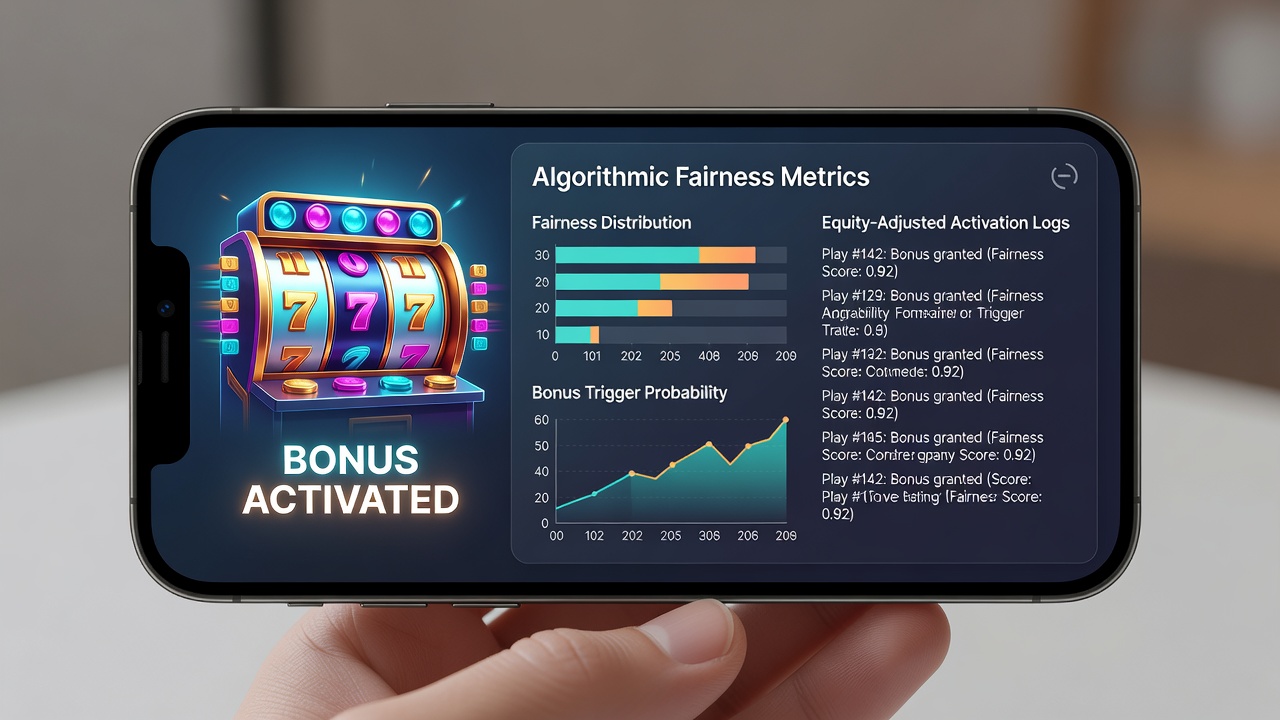
These implementations often rely on hybrid architectures that combine deterministic checks with probabilistic safeguards, and industry reports indicate adoption rates climbed steadily through the first half of 2026 as mobile revenue continued to outpace desktop channels in several markets. Observers note that smaller studios have begun licensing fairness modules rather than building them in-house, which has helped standardize practices without requiring extensive internal research teams.
Challenges in Scaling Fairness Across Ecosystems
Device fragmentation remains a persistent issue because operating system updates and new hardware releases can alter how random values are processed, and developers have responded by maintaining extensive device farms for regression testing. Cloud-based simulation environments now allow teams to run billions of spins overnight, surfacing edge cases that earlier local testing missed, while regulatory bodies in Singapore and several Canadian provinces have started accepting these cloud-generated audit trails as part of compliance filings.
Cross-border data sharing for fairness benchmarking has also increased, with organizations such as the International Association of Gaming Regulators facilitating anonymized datasets that help identify regional variations in bonus activation behavior. The result has been a more coordinated global effort to align technical standards even as individual jurisdictions retain their own approval processes.
Conclusion
By June 2026 the field had moved from reactive bias corrections to proactive embedding of fairness metrics throughout the development lifecycle, supported by improved tooling and broader regulatory alignment. Continued refinement of these methods will likely depend on sustained collaboration between studios, testing laboratories, and academic researchers as smartphone hardware and network environments keep evolving.