19 Jun 2026
Decoding Synergies Between Accumulation Features and Multiplayer Dynamics in No-Cost Digital Gaming Applications
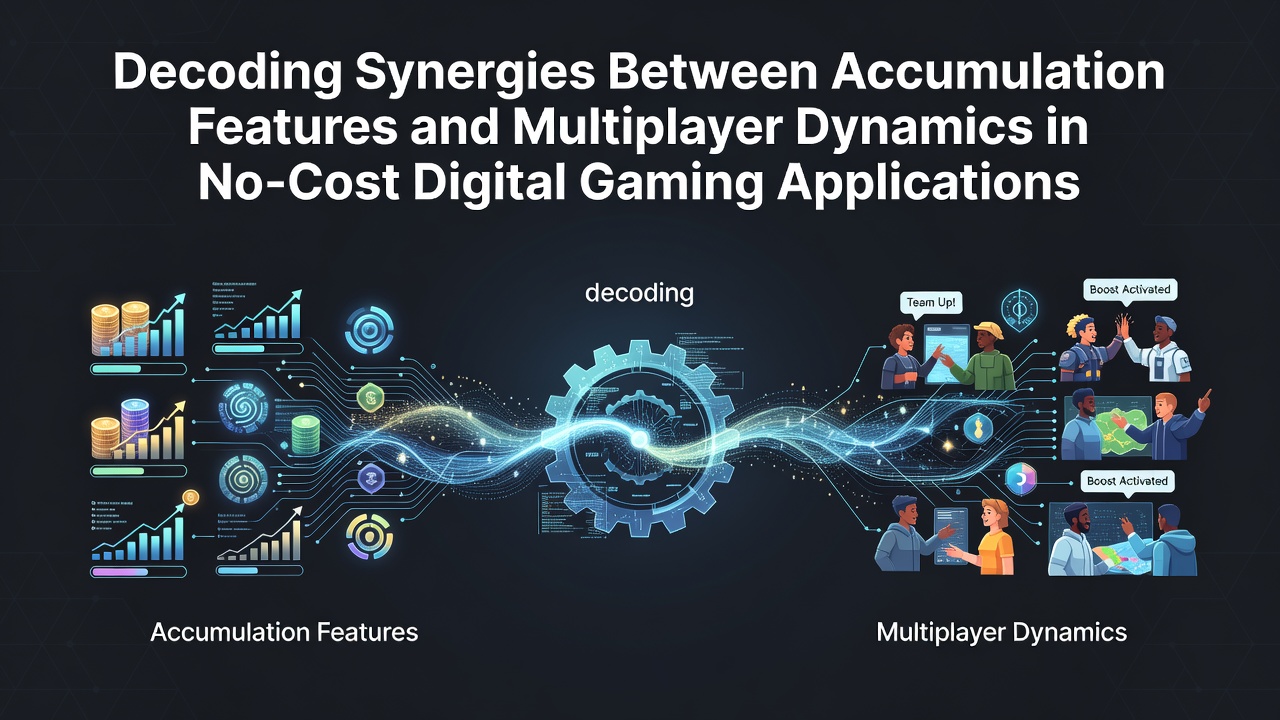
Accumulation features in no-cost digital gaming applications build player engagement through points, levels, and reward streaks while multiplayer dynamics introduce real-time competition and collaboration, and their combined effect creates retention patterns that developers track across global user bases. Research from mobile analytics platforms shows these elements interact in measurable ways, with data from June 2026 indicating sustained growth in session lengths when both systems operate together.
Core Mechanics of Accumulation Features
Accumulation systems reward consistent play by tracking progress across sessions, often through daily login bonuses, experience bars, and tiered loyalty structures that unlock cosmetic items or gameplay advantages over time. Developers integrate these tools into free applications because they encourage repeated returns without requiring direct purchases, and figures from industry reports reveal that users who engage with accumulation loops demonstrate higher average play durations compared to those who skip them. The design draws from behavioral data patterns where incremental gains keep interest levels steady across diverse age groups and regions.
Multiplayer Dynamics in Free Platforms
Multiplayer components range from asynchronous leaderboards to synchronous battles and cooperative events that allow users to interact directly within shared virtual spaces. These features generate social pressure and community bonds that single-player modes rarely achieve, and evidence from application store metrics indicates that titles incorporating live interactions experience faster user acquisition rates during promotional periods. Observers note that competition elements such as ranked matches or team challenges often coincide with peak activity hours, creating feedback loops where visible progress motivates continued participation.
How Accumulation and Multiplayer Systems Interact
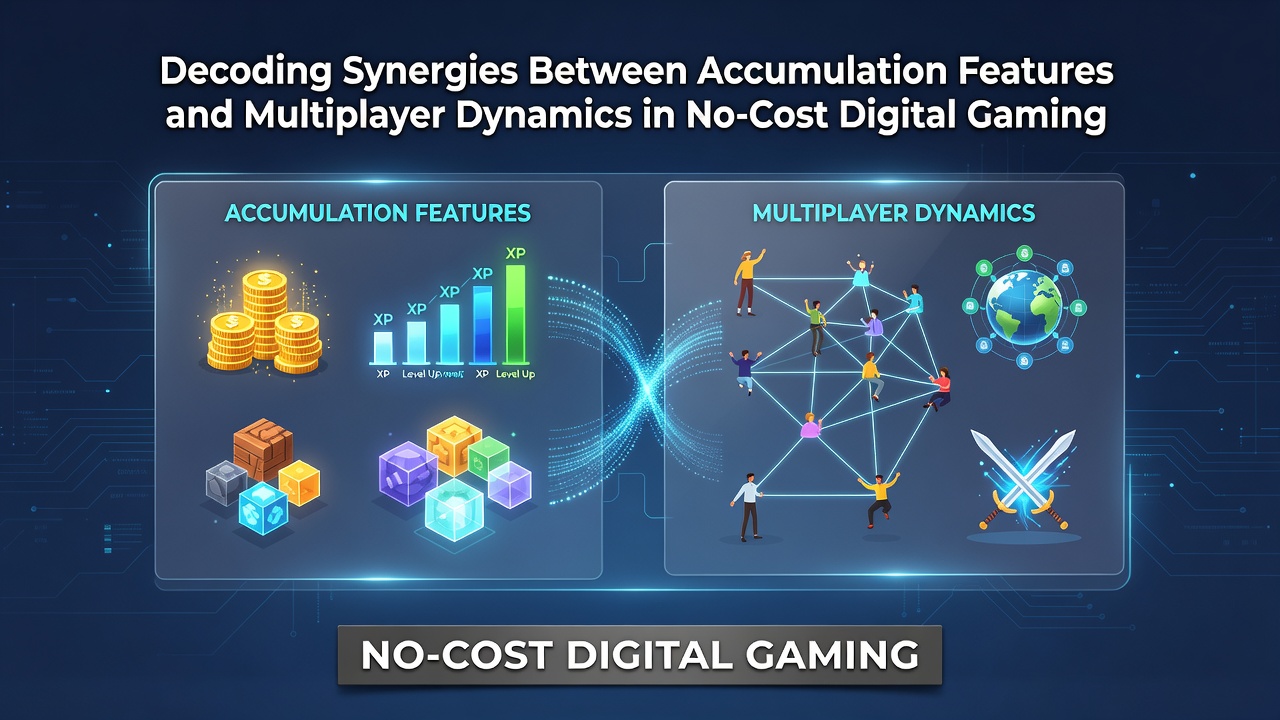
When accumulation features feed into multiplayer environments, players carry earned rewards into competitive or cooperative scenarios, which amplifies motivation because personal progress directly influences group outcomes. For instance, a user who accumulates power-ups through daily tasks can deploy them during live events, turning solitary grinding into strategic advantages that affect teammates or opponents. Studies conducted by research institutions have documented this synergy through A/B testing, where versions combining both mechanics retained users at rates exceeding those with isolated systems, and the effect appears consistent across genres including puzzle, strategy, and simulation applications.
Data Patterns Observed in 2026
Market analysis released in June 2026 highlighted that applications blending accumulation and multiplayer elements captured larger shares of total playtime in North American and European markets, with similar trends emerging in Asia-Pacific regions according to aggregated download statistics. Regulatory bodies such as the Entertainment Software Association have compiled reports showing how these design choices correlate with demographic shifts, including increased participation among casual users who previously favored offline experiences. The data also points to seasonal spikes around major updates that introduce new accumulation milestones tied to limited-time multiplayer tournaments.
Technical Implementation Across Devices
Engineers optimize these synergies through cloud-based leaderboards and real-time synchronization protocols that update accumulation totals instantly during matches, reducing latency issues that previously disrupted flow. Cross-platform compatibility allows progress to transfer between mobile and tablet versions, and this continuity supports longer engagement cycles because users maintain momentum regardless of device. Technical documentation from development studios indicates that server infrastructure investments have grown in response to rising concurrent player counts in free applications that emphasize both feature types.
Regional Variations in Design Approaches
Design teams in different markets adjust the balance between accumulation speed and multiplayer intensity to match local preferences, with North American titles often emphasizing competitive leaderboards while Asian platforms lean toward cooperative accumulation events. Australian industry groups have published findings on how regulatory environments influence feature rollout timelines, yet the core synergy remains visible in retention curves across borders. These adaptations demonstrate that while implementation details vary, the underlying interaction between personal progress tracking and social interaction produces comparable engagement outcomes.
Future Directions and Industry Tracking
Developers continue to refine algorithms that predict optimal timing for accumulation rewards within multiplayer sessions, using machine learning models trained on anonymized play data. Partnerships between academic researchers and gaming firms have produced papers examining long-term effects on user behavior, and these collaborations provide frameworks for measuring synergy strength beyond basic metrics like daily active users. As no-cost applications evolve, the integration of these systems is expected to incorporate more adaptive elements that respond to individual play styles while preserving group dynamics.
Conclusion
The interplay between accumulation features and multiplayer dynamics in no-cost digital gaming applications generates retention mechanisms supported by quantitative evidence from multiple sources, including industry reports and platform analytics released through mid-2026. Observers tracking these patterns note consistent performance advantages when both components operate in tandem, and developers maintain focus on technical refinements that sustain this balance across expanding user bases. The documented outcomes provide clear reference points for ongoing design decisions in the sector.